
Graph Sync Protocols for High-Fidelity Research.
CortexGraphSync provides the architecture for multi-node quantitative synchronization. We specialize in reducing temporal drift across distributed graph databases, ensuring physical and logic-layer coherence for complex lab environments.
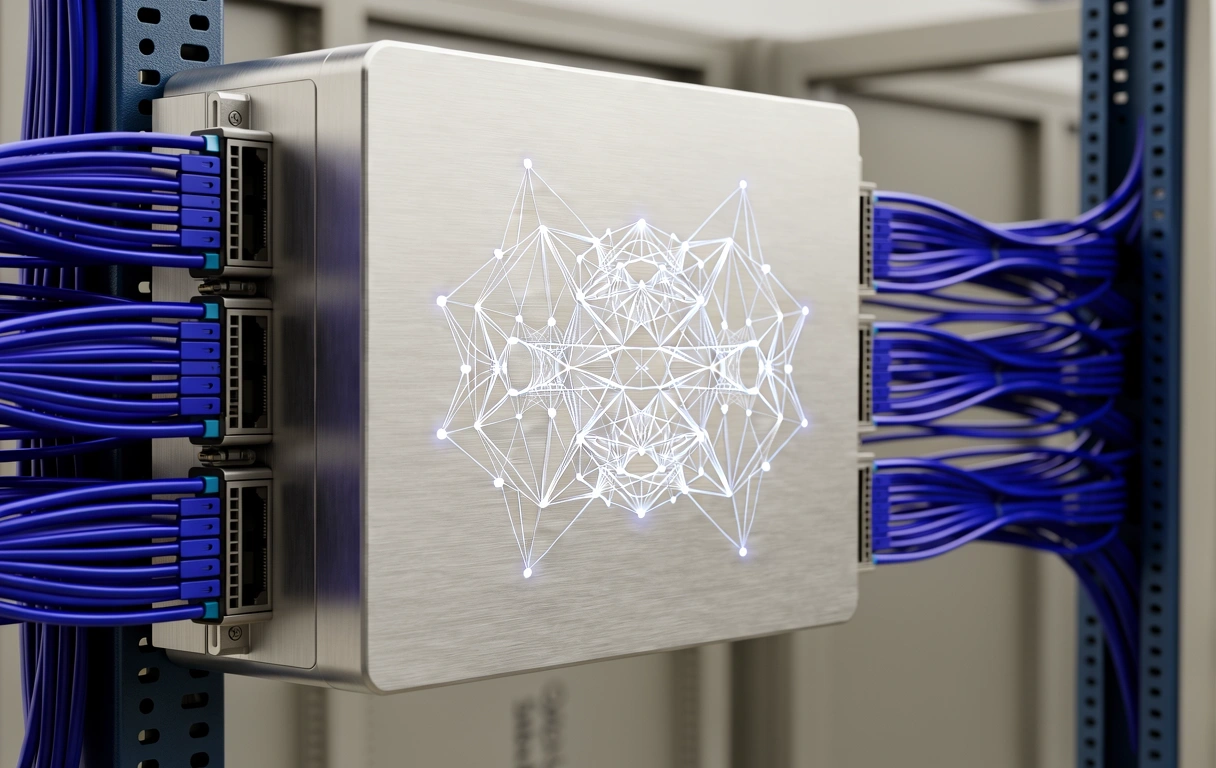
LATENCY PROFILE
Sub-millisecond node handshakes maintained across distributed terrestrial architectures.
The Modular Interface
Our synchronization frameworks are built as discrete modules that interface with existing quantitative workflows, ensuring no disruption during integration.
Core Sync Engine
The foundational graph sync layer responsible for state propagation. It utilizes optimized vector clocks to ensure causal consistency across high-concurrency environments without sacrificing throughput.
- CAUSAL ORDERING
- VECTOR CLOCK LOGIC
Quant Streamer
Designed for high-frequency quantitative data, this module pipelines raw metrics directly into the synchronization graph, allowing for real-time analysis of drifting states during rapid data ingestion.
- STREAM COHERENCE
- RAPID INGESTION
Validation Sentry
A passive monitoring agent that audits graph integrity. It identifies structural anomalies and provides cryptographic proof of state validity for research labs requiring strict data provenance.
- AUDIT LOGGING
- DATA PROVENANCE
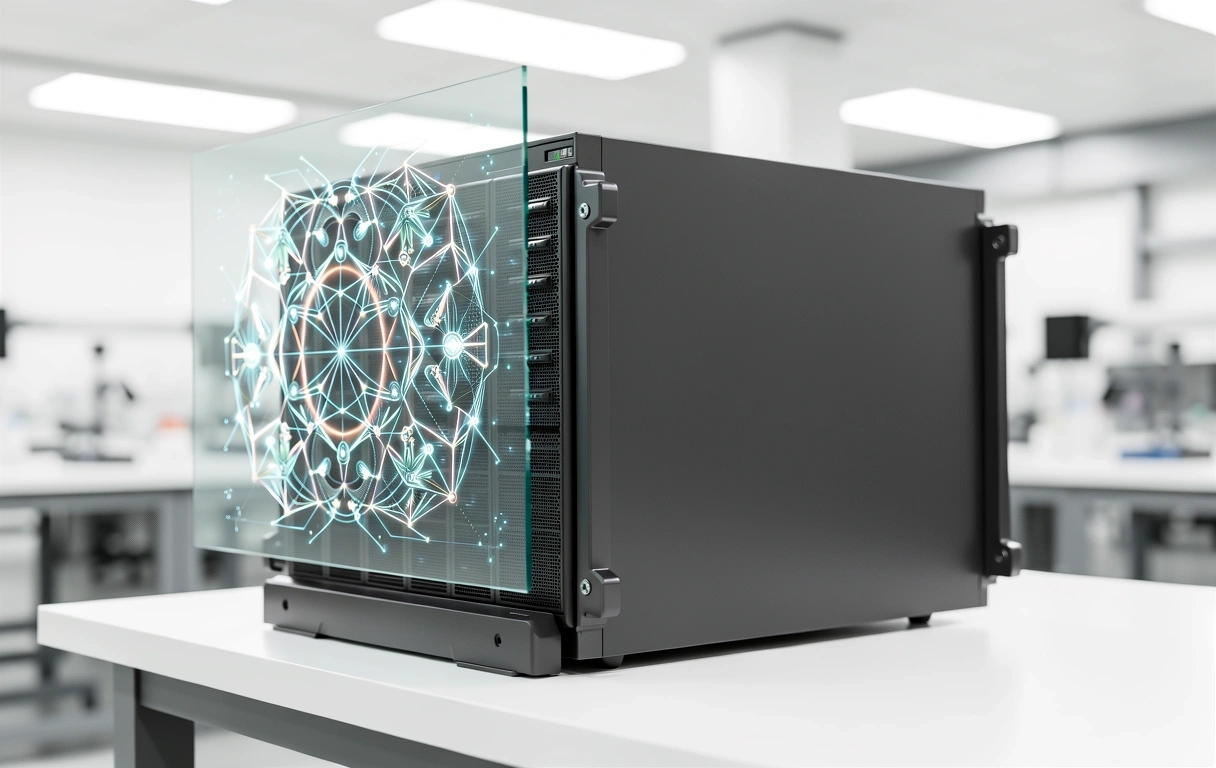
Deployment Topology
CortexGraphSync architectures are optimized for on-premises deployment in controlled lab environments. By utilizing dedicated hardware synchronization rails, we eliminate the jitter typically associated with standard cloud-based graph processing.
Isolation Layer
System logic is decoupled from data storage, ensuring that synchronization overhead does not impact primary quantitative computations.
Adaptive Polling
Algorithms adjust frequency based on bus congestion, automatically prioritizing critical system states during peak load cycles.
Integration Compatibility
Database
Graph DB Connect
Automated handshakes for Neo4j, ArangoDB, and specialized RDF stores used in research.
Language
C++ & Rust SDKs
Memory-safe bindings for native performance in high-concurrency quantitative scripts.
Compute
GPU Acceleration
Offload synchronization vector math to CUDA or OpenCL for heavy graph traversals.
Security
Lab Isolation
Designed for air-gapped environments with hardware-based cryptographic keys.
Ready for Structural Coherence?
Contact our Tokyo-based engineering team to discuss your lab's specific graph sync requirements and quantitative system architecture.